
The Stranger —By Albert Camus
Book Review
I would not rate Monsieur Meursault, the protagonist, as an antihero, but I have never seen so much apathy in a character, not even with cold blood assassins, which, I think, was not his case.
Read More
I am a lawyer, a ferocious reader who also loves to write. Expect some book reviews, storytelling and more…
Book Review
I would not rate Monsieur Meursault, the protagonist, as an antihero, but I have never seen so much apathy in a character, not even with cold blood assassins, which, I think, was not his case.
Read More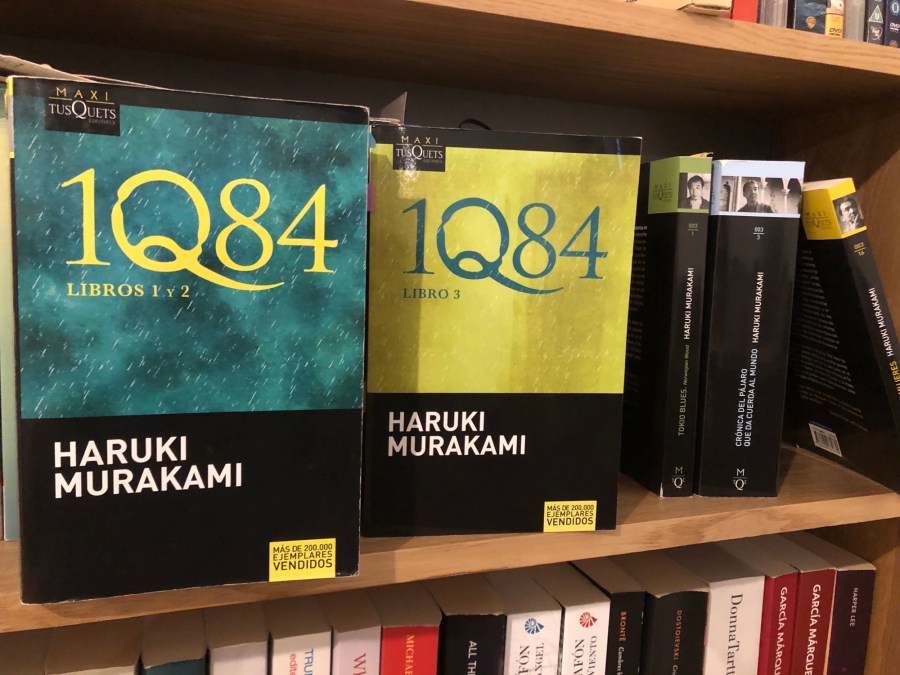
Book Review
As every novel written by Murakami, we can find big amounts of fantasy, sex, strange scenarios and characters living in parallel worlds that come out of the ordinary. However 1Q84 takes its fictional features to another level.
Read More
Book Review
This novel incarnates an amazing power and a vast relevance to these days. It is easy to forget that it was written in the 50s, as we are still discussing the subjects of the book, which are all different, although they make part of the same woman’s life. These woman’s thoughts are full of contradictions between being a communist and racist, between being a feminist and a homophobic, between being a good partner to her men and a lousy mother to her daughter.
The book narrates the life of Anna Wulf, an independent writer, communist and in a certain way a feminist. She has a dear friend, Molly. I found this friendship to be dysfunctional, or at least to accentuate the dysfunctional personalities of both women individually, which causes great damage to them and their children. The entire book is narrated by Anna. It is not divided in titles or chapters, which made the reading difficult. However, it is interesting how the author changes subjects, dividing the book in notebooks, black, red, yellow and blue. It is still disorganised, as she changes subjects and colours as she writes, but one can follow the sequence of the changes when getting used to what she is talking about.
Read More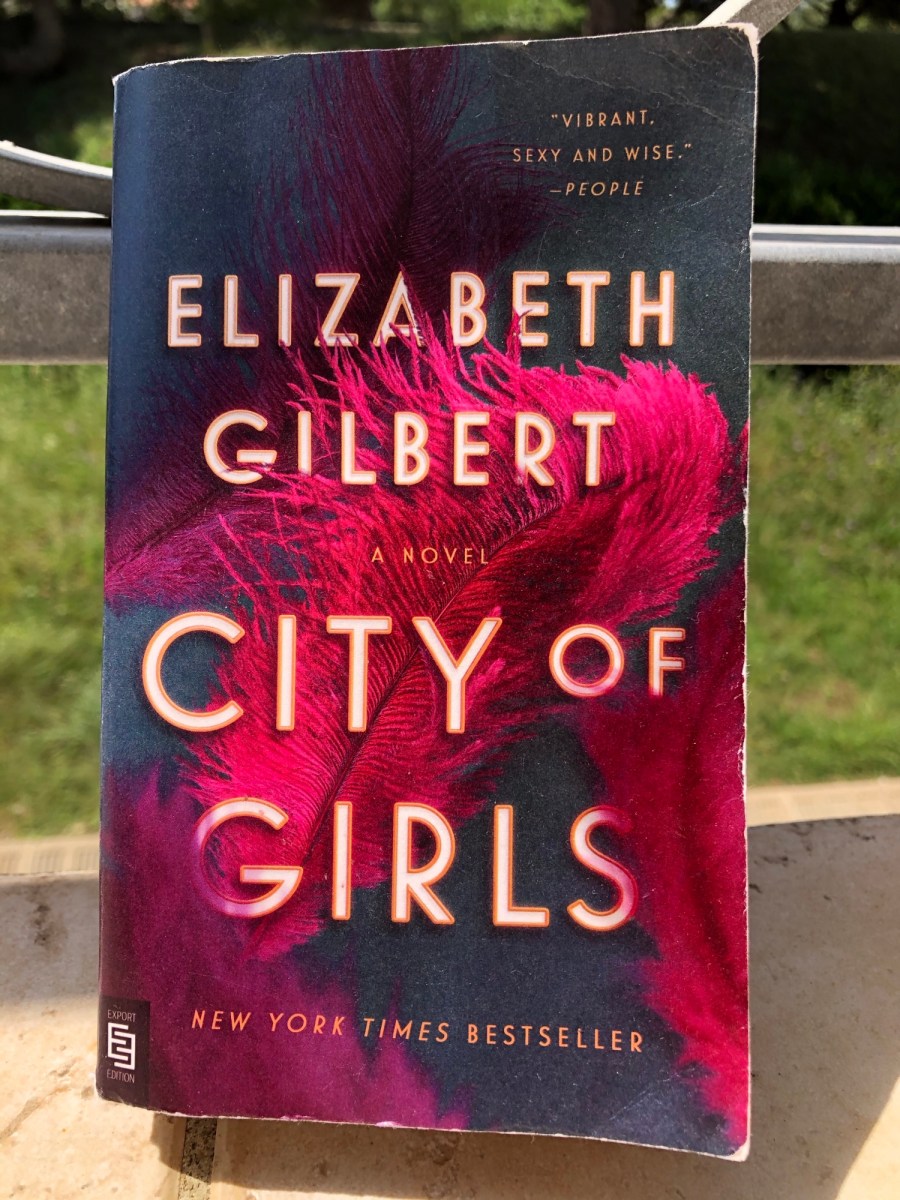
Book Review
The book starts with the protagonist, Vivian Morris, writing a letter to Angela, a secondary character. I have always cherished whoever can write a letter, as I do not know many people who can actually do it. At this point of the book Vivian has aged and she is planning to recall her own story only to answer one single question from Angela. “Vivian, Angela wrote, “given that my mother has passed away, I wonder if you might now feel comfortable telling me what you were to my father?”
Read More
Book Review
‘To find the sense of life one has to read Dostoyevsky’, someone has said once, so I put myself to work. I have been on a mission to read as many classics as I can, and the Russians, especially Tolstoy and Dostoyevsky, are mandatory when climbing the ladder in the pursue of learning how to read. Because knowing how to read is not to scroll across a bunch of letters with no sense or sentiment, but to taste the flavour of every sentence, it is to stop and enjoy the smell of every quote, conversation and emotion, and to get to know the characters to the point in which you can feel them at every breath.
Read More
Book Reviews
Siri Hustvedt shows how multifaceted she is in this book. This not come as a surprise, as she has always said that she has made several working papers and studies in psychology and psychiatry. And she demonstrates her knowledge in this field in What I love. This is a wonderful book, where a fine writing gets mixed with an unbelievable story. A story that goes deep down into the characters, exploring love, divorce, art, mental health and grief.
Read More
Book Reviews
It is the story of Theodore Decker, a boy from New York. His life was full of obstacles since the very beginning. A good boy that had to shape himself into the different circumstances that were occurring in his life. He had a loving mother and this was the refreshing part of his beginnings. But this love had to mix with an alcoholic and indifferent father, who fortunately abandoned them when Theo was in his teenage years. However, life fell apart when his mother died during an explosion in the Metropolitan Museum, where they were looking for his mother’s favourite Dutch exposition that included the Goldfinch. Theo, injured but conscious, stole the painting from the museum, under the advice of a dying man who was also visiting the exposition with his niece.
Read More
Book Review
I am fascinated by this book. Because Elena Ferrante does not disappoint when digging into the physic of her characters. They are normal people, like any neighbour we could have, to whom we say hello in the morning, without really thinking about their lives. That is only the beginning, as the stories start recounting their apparent normal lives. In this case, it was from Giovanna’s perspective, an only child, who lived with her likely normal parents, attending a normal school, with her normal friends, in a normal neighbourhood.
Read More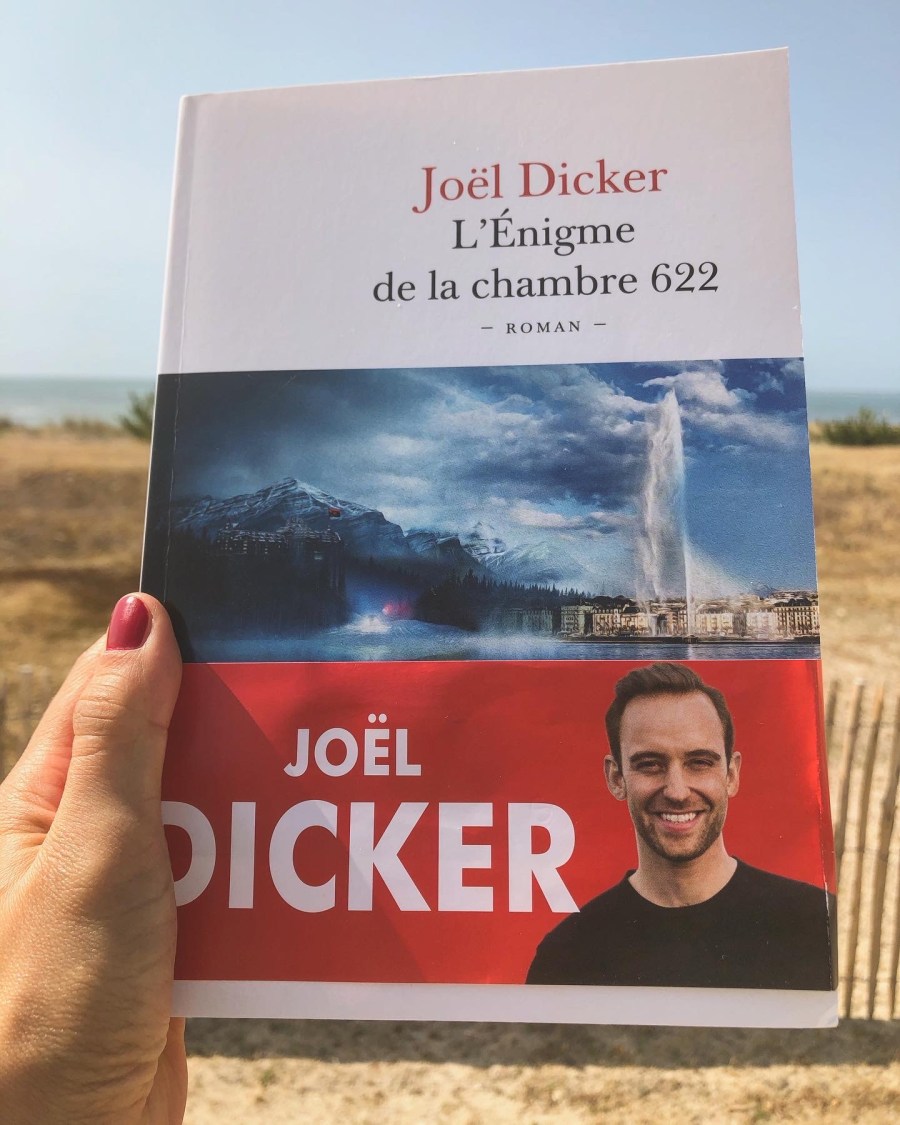
Book Reviews
Joël Dicker new novel follows the same style of his previous books, The Truth about the Harry Quebert Affair and The Disappearance of Stephany Miller. This time, oddly and genially mixing the thriller gender along with a bit of comedy and even reality, as the author himself gets inside the story.
Read More
Book Reviews
I must say I love spy novels, those that are really classic style, where the incumbents communicate leaving special bags in shopping malls, or a red x on a rubbish bin in the middle of the street, or use braille on a paper that has been ironed against a piece of cloth. And John LeCarré was the special guy for these type of novels. I read this book because I saw his interview in the Spanish Newspaper El Pais —his real name is David John Moore Cornwell—. He was brilliant. I loved his political audacity, the way he critized his government, nothing politically-correct-out-of-the-sort. Being part of the MI6 in the 1950s and 1960s, he had great material to outsmart his critics and better yet to fed his novels.
Read More luminousvibes.com