The Years —By Annie Ernaux

Rating: 5 out of 5.

Book Review


As per her signature style, The Years is a very intimate account of facts. Some reviewers argue this is a portrait, implying a description of one’s self, that could easily fall into an autobiography. If this book is indeed a portrait, it reflects not only the side of Ernaux personality, but also the personality and moods of an entire country, France. As an adopted French, I should have read this book in its original language. I found the translation a bit dry, especially in relation not to the narrative itself, but to the consequences of that narrative into the reader’s emotions. Ernaux knows her country and her culture very well. This is why in The Years she did not speak by the first person of singular, but by the first person of plural. It is a narrative based on a political and a social perception that belongs to an entire country, in a specific period of time that fortunately (or unfortunately) extend to these times. 

Read More

Ocean Thoughts

Look at them,

And all the energy they have,

They’re like us, baby, exactly like us,

Only us are bigger, more powerful,

Only not wiser, what we cannot see,

We think it cannot be.

Read More

Blue Nights — By Joan Didion

Book Review

‘You notice as it first as April ends and May begins, a change in the season, not exactly a warming —in fact not at all a warming— yet suddenly summer ends near, a possibility, even a promise’. When those blue nights are finished is not anymore a warming but a warning of darkness, of solitude, of silence. This is how Joan Didion explains the title of her book, it is an opening to a heart wrenching story. The story of a mother who sees her own child die, slowly, painfully, in an ICU for twenty months. This is a story in which Didion also analyses carefully and to the detail whether her daughter showed signs of dying, emotionally dying, way before, and her own involvement as a mother in such a cruel destiny.

Read More

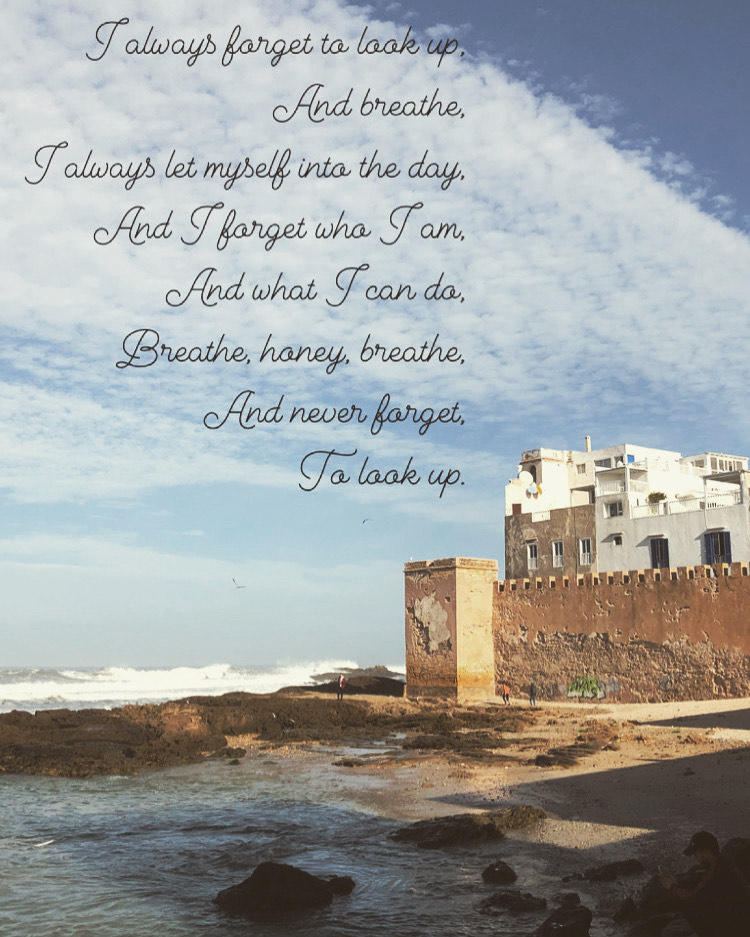
Look Up

Active Language and Feminism

Words are changing. Some resist the waves, saying that the language is already inclusive and should not be messed with. No matter what we think. It is mutating. Young people are looking for ways to express themselves and if we don’t go with them we are just going to be left behind, obsolete, archaic, useless and, as it is happening as we speak, misunderstood.

Read More

Yoga and Cultural Appropriation

My Stories

Yoga is the realm in which I see Cultural appropriation vs cultural appreciation crashing the most. It is becoming more and more difficult to look the other way without realising how Western Cultures have appropriated and misrepresented this ancient Indian practice. Let’s start by something: Yoga is not fitness. One not does yoga to become prettier, skinnier, stronger, even healthier. That is not what Yoga is aimed for.

Read More

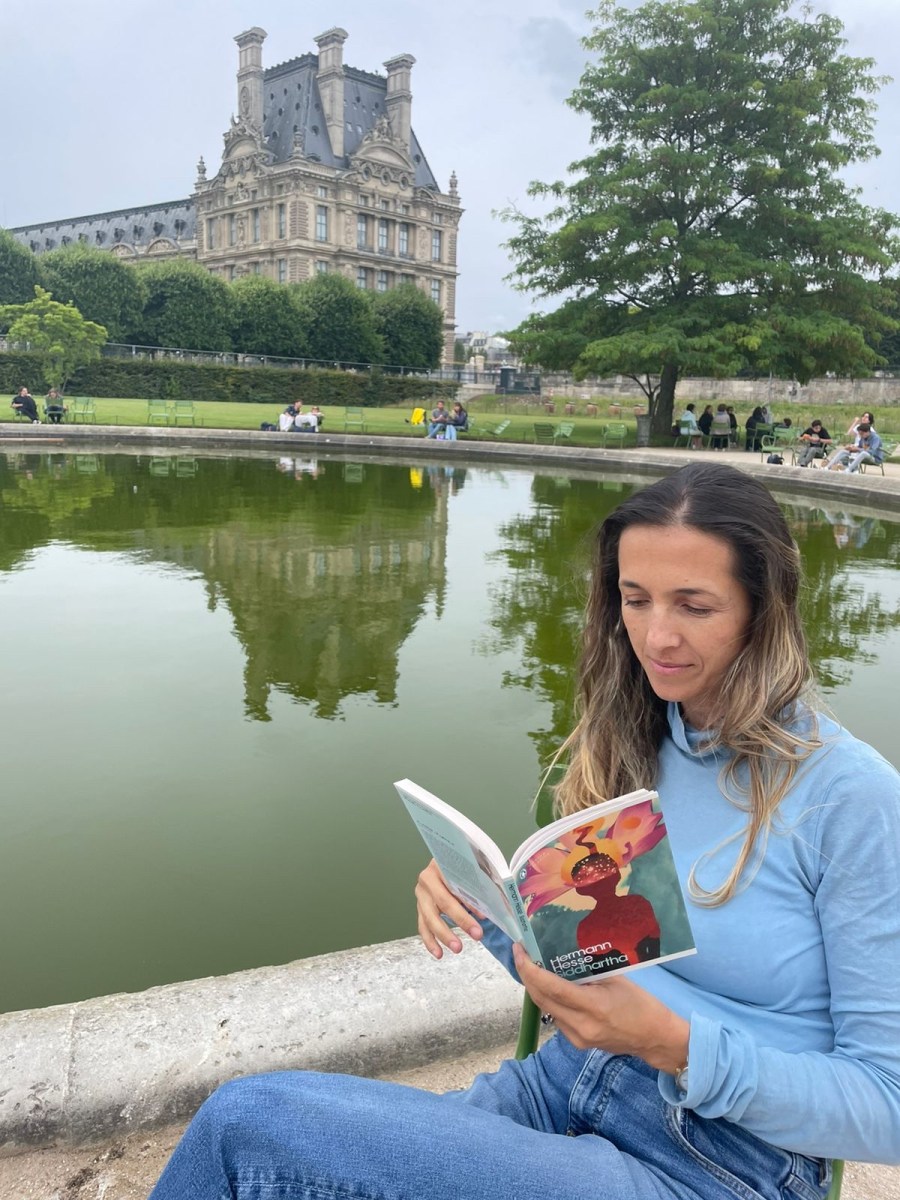
Siddhartha by Herman Hesse

Book Review

Rating: 5 out of 5.

This book fell in my hands as a simple coincidence. It was a gift. I’ve heard about Siddhartha, of course, but never expected a book to be so deeply grounded  and at the same time so ethereal.  Paulo Coelho, one of my favourite authors and who made introductions for this book, explains the troubles Herman Hesse —the German born author— had to go through in order to complete this book. When reading it, one can decipher why: This is a book about illumination, of looking for the One and Only, and finding It through the inner self. Of acknowledging the internal divinity, the infinite possibilities that connect the Universe with every human being. Hesse had discussed with acquaintances about his lack of guidance on how to finish the book. The task he had on his hands was too great and proved of enormous challenges.

Read More

The Golden Notebook —By Doris Lessing

Rating: 5 out of 5.

Book Review

This novel incarnates an amazing power and a vast relevance to these days. It is easy to forget that it was written in the 50s, as we are still discussing the subjects of the book, which are all different, although they make part of the same woman’s life. These woman’s thoughts are full of contradictions between being a communist and racist, between being a feminist and a homophobic, between being a good partner to her men and a lousy mother to her daughter.

The book narrates the life of Anna Wulf, an independent writer, communist and in a certain way a feminist. She has a dear friend, Molly. I found this friendship to be dysfunctional, or at least to accentuate the dysfunctional personalities of both women individually, which causes great damage to them and their children. The entire book is narrated by Anna. It is not divided in titles or chapters, which made the reading difficult. However, it is interesting how the author changes subjects, dividing the book in notebooks, black, red, yellow and blue. It is still disorganised, as she changes subjects and colours as she writes, but one can follow the sequence of the changes when getting used to what she is talking about.

Read More

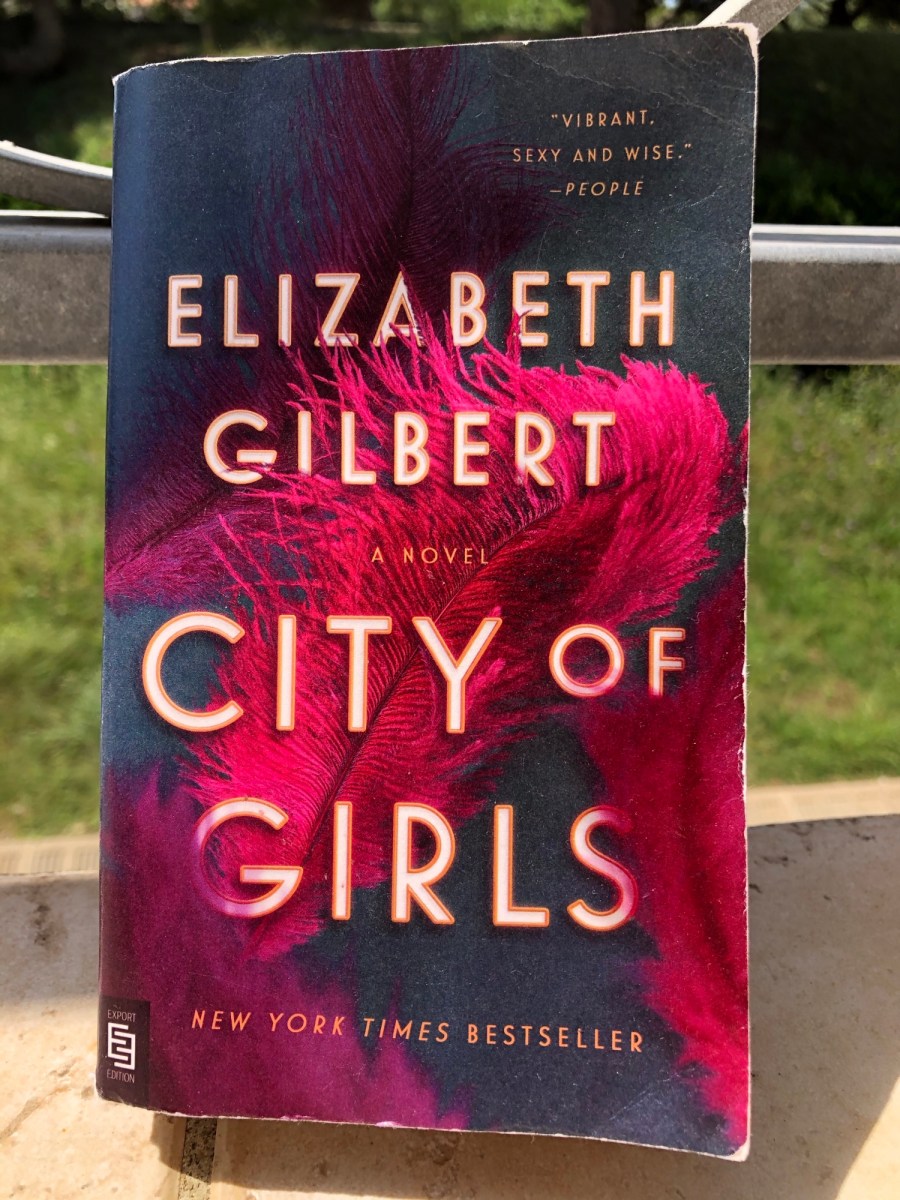
City of girls —By Elizabeth Gilbert

Book Review

Rating: 5 out of 5.

The book starts with the protagonist, Vivian Morris, writing a letter to Angela, a secondary character. I have always cherished whoever can write a letter, as I do not know many people who can actually do it. At this point of the book Vivian has aged and she is planning to recall her own story only to answer one single question from Angela. “Vivian, Angela wrote, “given that my mother has passed away, I wonder if you might now feel comfortable telling me what you were to my father?”

Read More

What I Learnt from Chimamanda Gnozi Adichie in Dear Ijeawele, or a Feminist Manifesto in Fifteen Suggestions

Politics and Feminism

Gnozi Adichie writes a warm letter to one of her friends from childhood who asked her how could she educate her daughter to be a feminist. When I took a first look at the book, I though her arguments were clear and at some point a bit obvious. But I realized soon enough, with sadness, I must say, that not even this feminist statements have been embraced by the majority of societies and cultures because this world favours men. And this is still happening all around the world. What can we do to change this mentality?

Read More