“I had a Dickens childhood”, heard once. Only reading the life or Pip, or at least his beginnings, one becomes aware of what that means. Despite the reactions a reader must feel learning about the circumstances in which he lived and the bad luck that was always on his side, making things worse, Pip seemed not to notice. Not at the beginning.
As per her signature style, The Years is a very intimate account of facts. Some reviewers argue this is a portrait, implying a description of one’s self, that could easily fall into an autobiography. If this book is indeed a portrait, it reflects not only the side of Ernaux personality, but also the personality and moods of an entire country, France. As an adopted French, I should have read this book in its original language. I found the translation a bit dry, especially in relation not to the narrative itself, but to the consequences of that narrative into the reader’s emotions. Ernaux knows her country and her culture very well. This is why in The Years she did not speak by the first person of singular, but by the first person of plural. It is a narrative based on a political and a social perception that belongs to an entire country, in a specific period of time that fortunately (or unfortunately) extend to these times.
‘You notice as it first as April ends and May begins, a change in the season, not exactly a warming —in fact not at all a warming— yet suddenly summer ends near, a possibility, even a promise’. When those blue nights are finished is not anymore a warming but a warning of darkness, of solitude, of silence. This is how Joan Didion explains the title of her book, it is an opening to a heart wrenching story. The story of a mother who sees her own child die, slowly, painfully, in an ICU for twenty months. This is a story in which Didion also analyses carefully and to the detail whether her daughter showed signs of dying, emotionally dying, way before, and her own involvement as a mother in such a cruel destiny.
‘There isn’t a thing in the world worth fighting for except peace of mind’. All his books are autobiographical and interconnected between them, from ‘Tropic of Cancer’ and ‘Tropic of Capricorn’, to ‘Plexus’, ‘Sexus’ and lastly ‘Nexus’. All have the same main character, the same author, Henry Miller and his exhaustive struggle to become a known writer, despite the innumerable difficulties that seem to attack him from every angle. A childhood with a toxic mother, followed by a total incapacity to overcome poverty and finishing with a wife that possesses so many prisms and fake stories to every question that not even the same Miller can decipher.
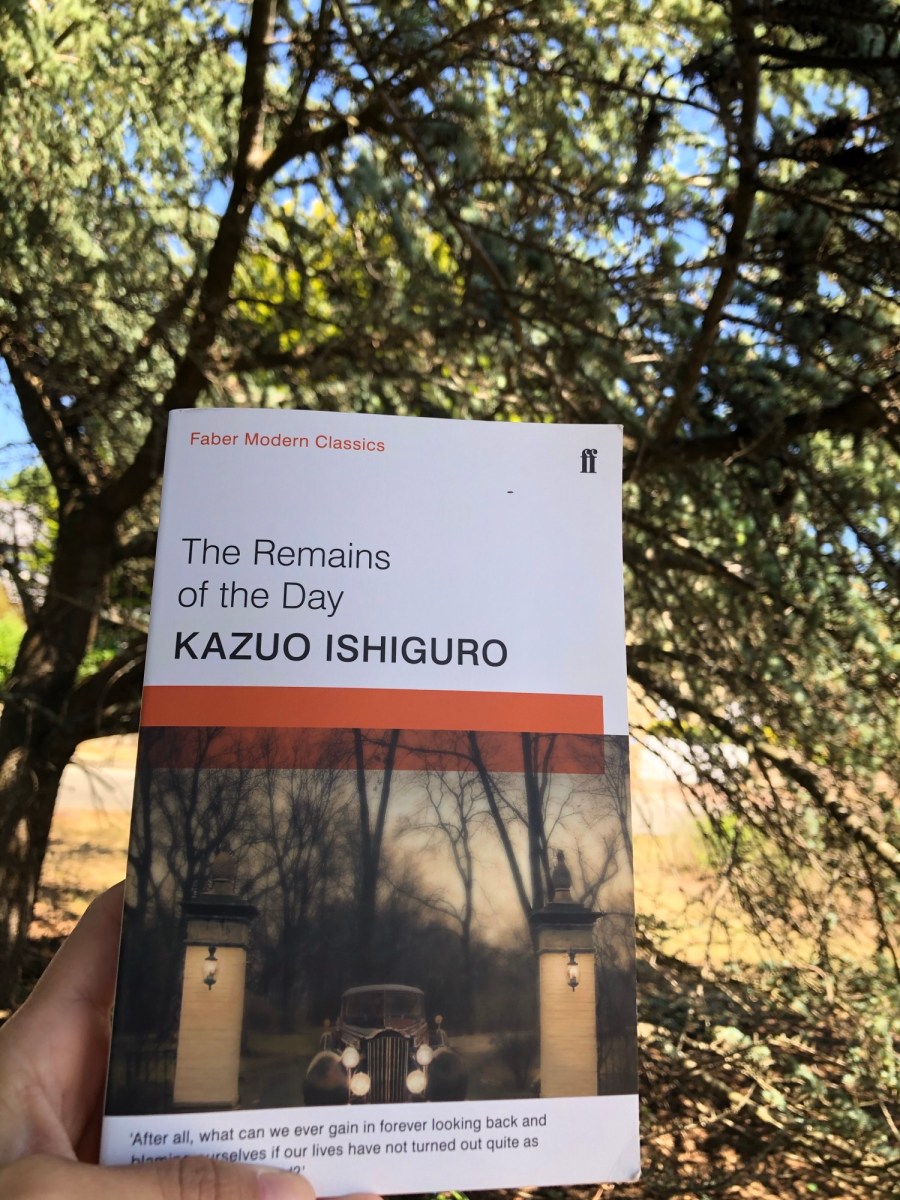
This is an outstanding novel narrated in first person by Stevens, the butler. Of him one could say was born for the job, after his father also dedicated his life to the service of other lords before he did. Stevens is a particular person. Loyalty would be the perfect word to describe his personality, but also a bit of a sweet naivety. He worked for many years at Darlington Hall, Lord Darlington’s estate.
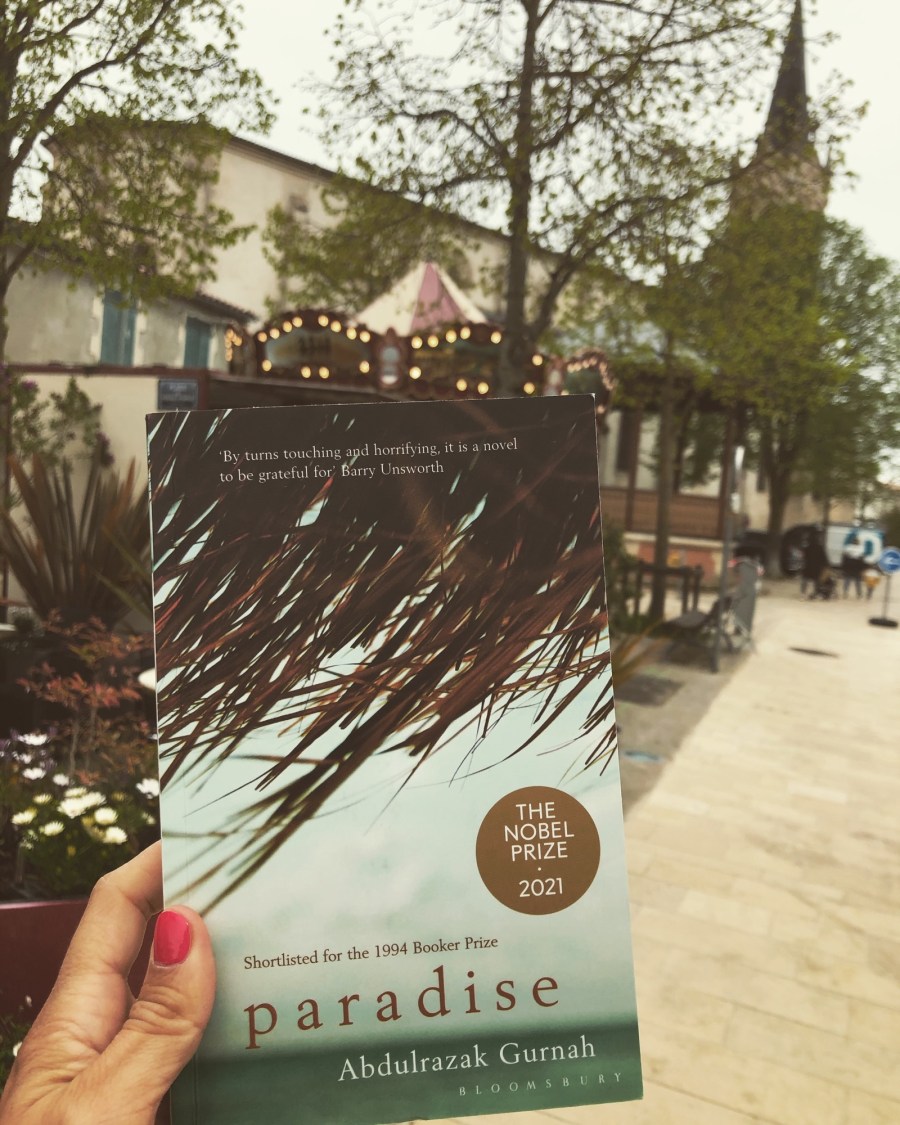
This book impressed me in many ways, because no matter how Africa had been presented to us by different authors, this novel has peeled all the layers to show itself as raw as it gets. We could say that the story of Yusuf, the protagonist, is heartbreaking, a story that was based on pure abandonment and solitude. Yusuf was neglected by their parents, handled to a business man to whom they had debt, without even explaining the situation. That was their payment. ‘Uncle Aziz’ was to take Yusuf to his house to make him work to repay. He was 12.
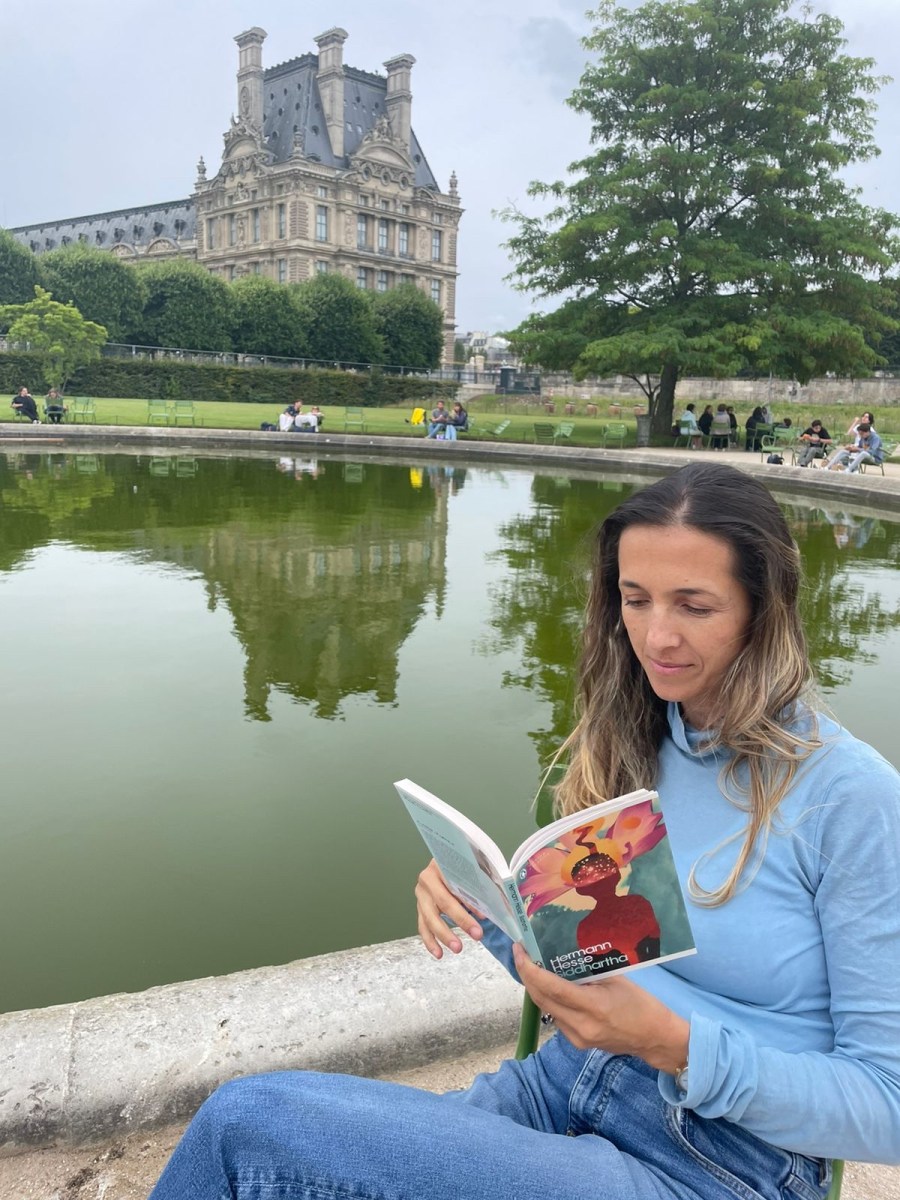
This book fell in my hands as a simple coincidence. It was a gift. I’ve heard about Siddhartha, of course, but never expected a book to be so deeply grounded and at the same time so ethereal. Paulo Coelho, one of my favourite authors and who made introductions for this book, explains the troubles Herman Hesse —the German born author— had to go through in order to complete this book. When reading it, one can decipher why: This is a book about illumination, of looking for the One and Only, and finding It through the inner self. Of acknowledging the internal divinity, the infinite possibilities that connect the Universe with every human being. Hesse had discussed with acquaintances about his lack of guidance on how to finish the book. The task he had on his hands was too great and proved of enormous challenges.
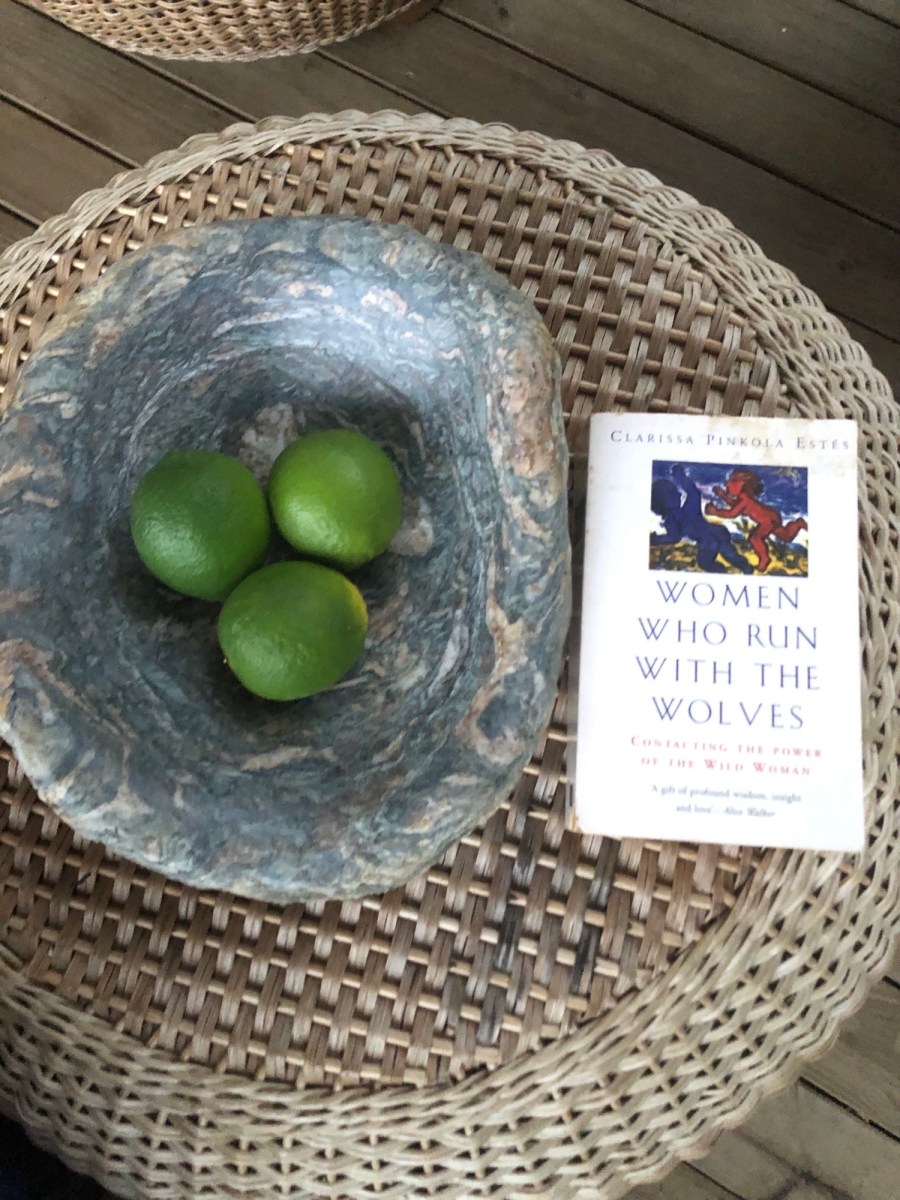
Clarissa Pinkola Estes. This woman is the first that comes to my mind when I think about this book. She is prismatic, multifaceted, a whole, complete, intellectual, emotional and spiritual woman. Wherever side you look of her, it has been worked, it is full with experiences and memories, and specially with wonderful teachings in which every single woman can benefit from.
I would not rate Monsieur Meursault, the protagonist, as an antihero, but I have never seen so much apathy in a character, not even with cold blood assassins, which, I think, was not his case.
This novel incarnates an amazing power and a vast relevance to these days. It is easy to forget that it was written in the 50s, as we are still discussing the subjects of the book, which are all different, although they make part of the same woman’s life. These woman’s thoughts are full of contradictions between being a communist and racist, between being a feminist and a homophobic, between being a good partner to her men and a lousy mother to her daughter.
The book narrates the life of Anna Wulf, an independent writer, communist and in a certain way a feminist. She has a dear friend, Molly. I found this friendship to be dysfunctional, or at least to accentuate the dysfunctional personalities of both women individually, which causes great damage to them and their children. The entire book is narrated by Anna. It is not divided in titles or chapters, which made the reading difficult. However, it is interesting how the author changes subjects, dividing the book in notebooks, black, red, yellow and blue. It is still disorganised, as she changes subjects and colours as she writes, but one can follow the sequence of the changes when getting used to what she is talking about.






 luminousvibes.com