Gretchen Rubin has been famous for some years now. Not to me. I ran into her book by only a coincidence, looking for those books that are chicken soup for the soul. It was the word happiness that got my attention because, Are we not all looking to find it? Is it not the last end of life that all the philosophers talk about? The aim of all religions and theories in this world? She said she could find it and I was up for it.
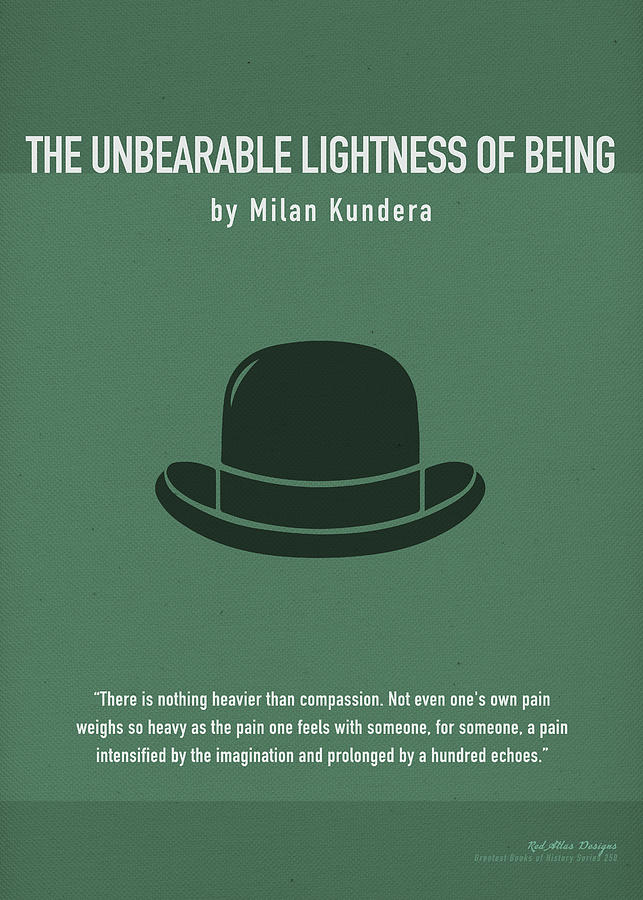
‘The absolute absence of weight makes the man to become lighter in the air, to fly higher, distance from the Earth, from his earthy being, that is real only in half and his movements are as free as they are insignificant’ [my own translation]
Milan Kundera loves Nietzsche. He loves his country, Czech Republic, he loves Prague. He speaks with great sadness of the communists times that swelled the ‘before’ of his country to turn it into a group of people with fear. But it also rescues the long-lasting and stubborn braveness of his fellow countrymen who didn’t get drown by the regime despite the consequences. Tomas, the protagonist of this story, was one of them. Tomas scaped to Europe but returned because he could not stand the solitude without Tereza, who went back to Prague tired of his infidelities. Others were more strategic. They migrated for good to Europe, right in the moment they could have done it, leaving the ‘Kitsch’, the communist dream, behind. In Czech Republic the citizens only ambition mundane things. Be born, grow up, fall in love, have children and die. There is no more aspiration that living in this utopia.
This review has no spoilers. A literary, technological and futuristic story perfect to be the theme of a great movie!
I have always doubted to talk about books that make me fall in an spiral and land in religious arguments. This review has no intention of changing a single historic, religious or spiritual belief. This review has been made to tell those who like Jesus that this is a great story. It talks about him, and the things he said, and with whom he talked, and whom he met, and what he ate, and saw, during his life, and at the end.
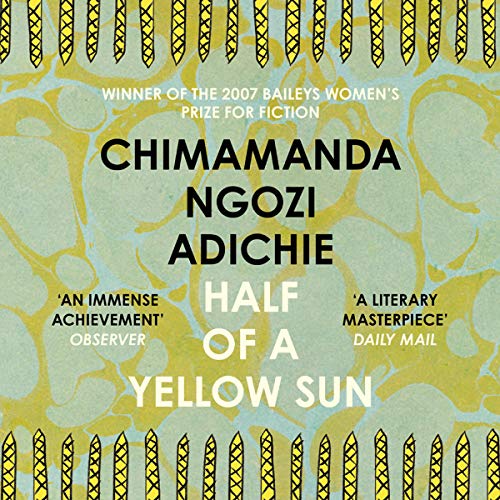
Before reading this book I had heard her name. Chimamanda Ngozi Adichie, winner of the Commonwealth Writer’s Prize, the Orange Prize and the National Book Critics Circle Award for Fiction (precisely for this book). She has been an honour guest at the Hay Festival in certain occasions. She is a writer with a long and wonderful career. A feminist with a lot to say in this subject, her feminist vision already contained in two books – Dear Ijeawele: A Feminist Manifesto in Fifteen Suggestions and We Should All be Feminist. All the books written by this great author have had great literary success. Half of a Yellow Sun is one of my favourites.
Talking about Haruki Murakami is dangerous. Because you take the risk of categorize him and this is not possible. Murakami is a Japanese writer, author of various novels, all of them fantastically written and extremely imaginative and detailed. They have a lot of political, social and literary content. Murakami has hundreds of thousands of followers that constantly advocate for a Literature Nobel Prize. I read that when thousands of people idolized him in Japan in the nineties he hated it. Now the feeling runs through the whole world. I am not sure what he thinks about this.
I have dedicated this week to Japanese authors. Kazuo Ishiguro was born in Nagasaki. Although he was raised in England and all reviews refer to him as British, I do think it is precisely his Asiatic background what has allow him to write such beautiful pieces of literature.
I have always been attracted to currents of thinking, not necessarily to adopt them myself, but to know why is something likeable to people. This way I feel that I can get a hitch of what people is thinking and why a trend is a trend. And this is why I bought this book. Because it is a national bestseller. Because it is a television series whose protagonists are Reese Witherspoon and Kerry Washington. Because it is everywhere I look. I wanted to know what was it about.
This book fell in my hands after Bill Gates recommended it as one of his favourite summer readings. At the beginning I thought it was a Spy’s thriller (one of my favourite genres) and that is why I ran out to buy it.
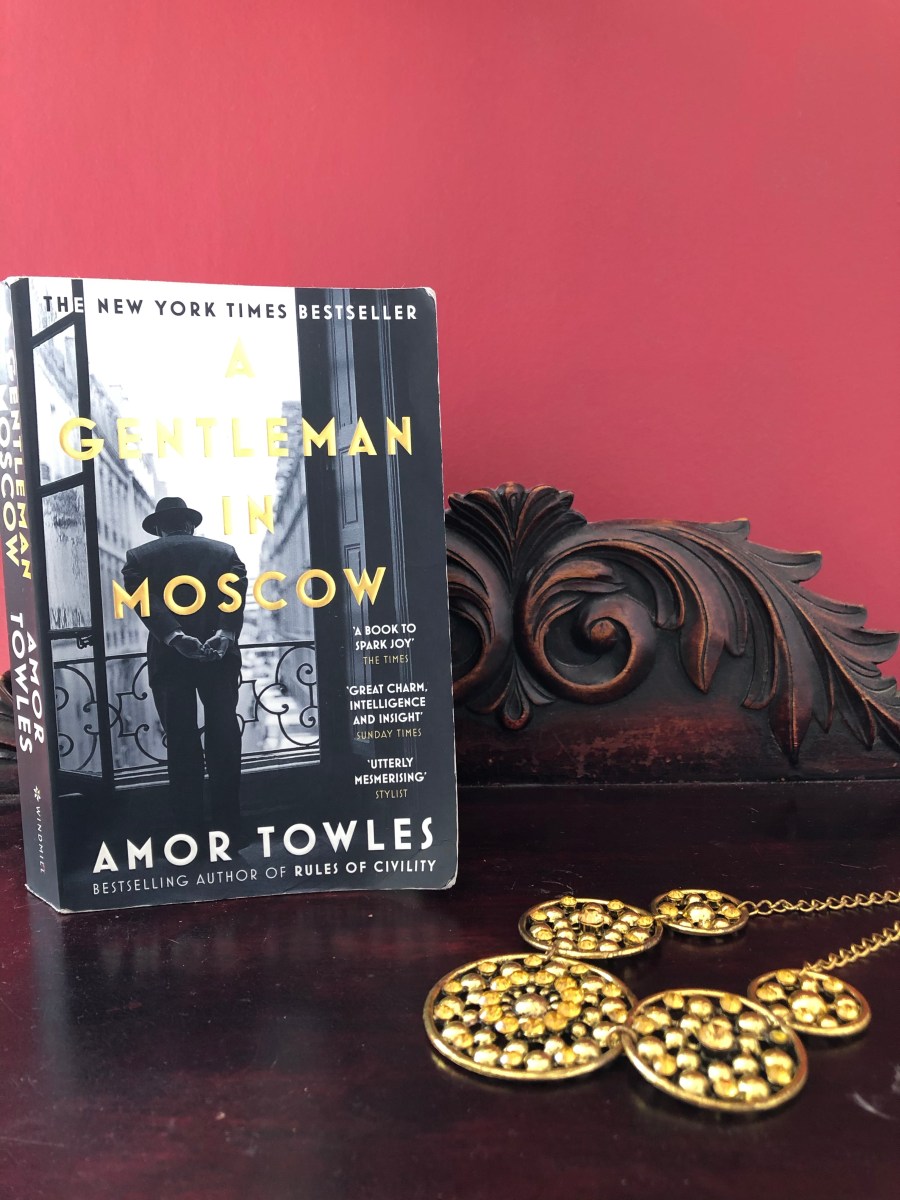
There is this shock when you realize that even before opening a book you have had a misconception. A Gentleman in Moscow was not about spies. Yes, you could feel them breathing in the main character’s neck from time to time but the story is not typical. As I was expecting the usual spy thriller, the book seemed slow and calm at the beginning. It was good that I decided to go up to the end, otherwise I would have missed a wonderful piece of literature.
This review has no spoilers but a recap of my favourite tales. Everyday life magnificent stories!
Says Alice Munro in the introduction to her book that once a story is published she cannot read it again, not even can she remember the details that someday gave the story its shape.






 luminousvibes.com